
Recovery is often misunderstood.
Many people believe that choosing recovery means stepping away from “real life.” Pressing pause. Going into hiding. But I want to offer you a different perspective, one rooted in hope, strength, and truth:
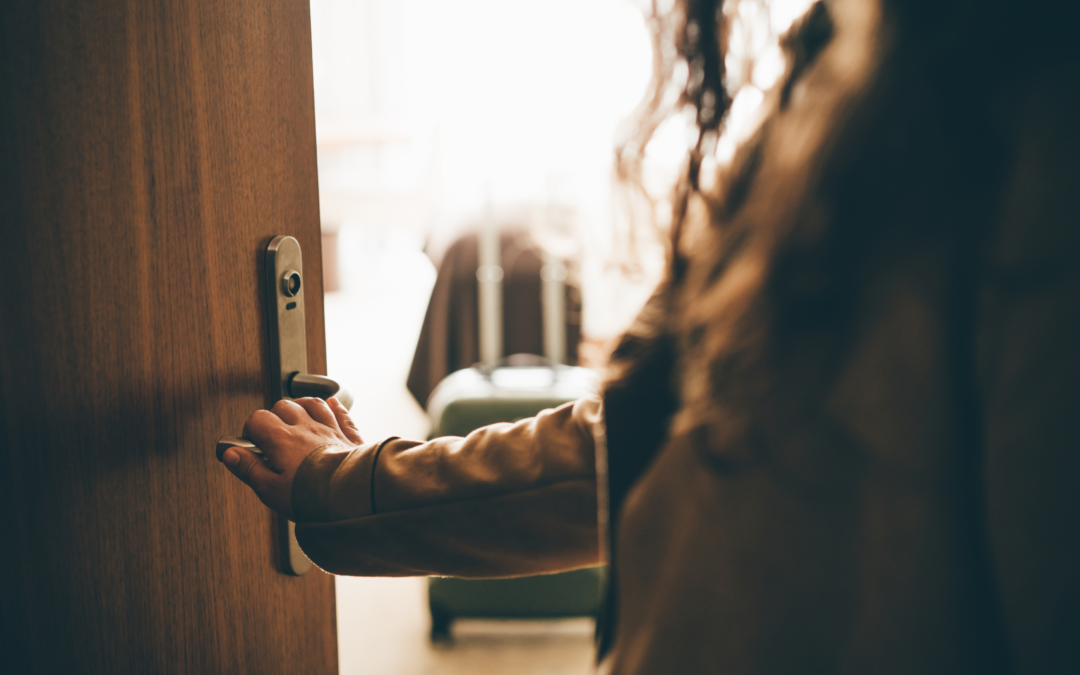
Recovery is not a pause button for life. It is the doorway back into life.
When you begin recovery, it may feel like you are turning away from everything familiar; people, places, patterns that used to define your days. That can be frightening. And yes, at first, it may feel like loss.
But what you are actually doing is turning toward something deeper. You are rebuilding. Not just your health or your habits, but your relationship with yourself.
In my work as an addictions counsellor, I often meet people who say, “I just need to put my life on hold while I sort myself out.” I understand that feeling. When everything feels chaotic, stepping away seems like the only option. But recovery is not about pressing pause. It is about pressing reset. It is about engaging with your life more honestly, more gently, and more fully than before.
Let me explain.
Addiction is not only about substances or other self-destructive behaviours. It is also about the emotional pain, trauma, or unmet needs that lie underneath. Many people use alcohol, drugs, or destructive behaviours to cope with unbearable feelings; loneliness, shame, anxiety, or grief. Over time, those coping mechanisms create more harm than relief. Many individuals turn to substances as a way to manage emotional distress or trauma symptoms. For a while, it works, until it does not.
Recovery begins when you allow yourself to face those feelings, with support, and to find new ways of caring for what hurts.
That is not avoidance. That is not withdrawal from life. That is some of the most courageous living a person can do.
Recovery asks you to start showing up — not just for others, but for yourself.
It might mean learning how to feel emotions instead of numbing them.
It might mean building boundaries where there were none.
It might mean reconnecting with your values, your goals, your voice.
All of this is part of life. Real, messy, beautiful life.
Some people worry that without substances or other self-destructive behaviours, life will become boring or joyless. I often hear the question, “Will I still be fun? Will I still feel like myself?”
My answer is: You are not losing yourself. You are meeting yourself.
There is a part of you; wise, compassionate, resilient that addiction may have covered up, but never erased. Recovery gives that part of you space to grow. In fact, studies show that sustained recovery is associated with increased emotional wellbeing, stronger relationships, and greater meaning in life (Kelly et al., 2018). Over time, people often find that they laugh more genuinely, connect more deeply, and live more consciously than they ever did before.
I am not saying it is easy. There will be discomfort. There may be grief for what was lost or who you were. There may be days when you feel unsure of who you are becoming. That is normal. That is part of healing.
Imagine a plant that has been growing in the wrong kind of soil.
When you move it to a healthier environment, it may droop at first. The roots need time to adjust. But given care and the right conditions, it will not just survive, it will thrive.
You are no different.
Recovery is about putting down new roots. Choosing new soil. Finding out what truly nourishes your growth.
It is also not something you do instead of life. It is something you bring into every part of life; your relationships, your work, your parenting, your rest. You are not stepping away. You are stepping in, more consciously and more bravely than before.
And if you are supporting someone in recovery, a partner, a child, a parent, please know this: their healing is not a break from life. It is the beginning of a fuller one. Your encouragement, your patience, and your willingness to see their progress (even when it is slow) matters more than you may realise.
Whether you are early in recovery or supporting someone who is, I want you to remember this:
Recovery is not the end of something. It is the beginning of a life where you get to show up — fully, honestly, and with hope.
You are not behind. You are not broken. You are building something new. And that is something to be proud of.
References
Kelly, J. F., Greene, M. C., & Bergman, B. G. (2018). Beyond abstinence: Changes in indices of quality of life with time in recovery in a nationally representative sample of US adults. Alcoholism: Clinical and Experimental Research, 42(4), 770–780. https://doi.org/10.1111/acer.13604
Recent Comments